Procedural Landscape - Houdini / Unreal
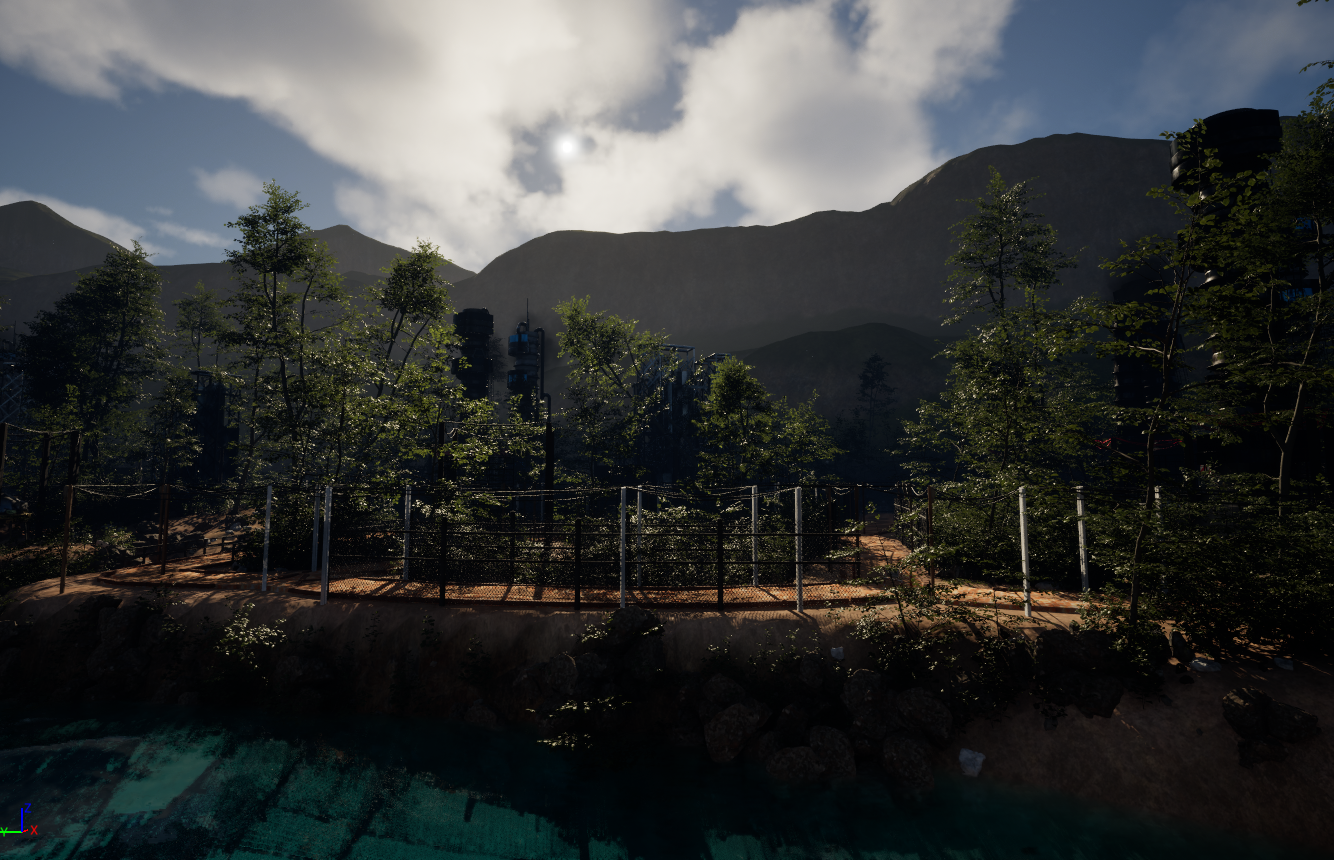
Still recovering from the marathon of the final installment of Module 4 of the Master's in Tech Art and Procedural Generation, I want to share my latest collection of procedural modeling tools.
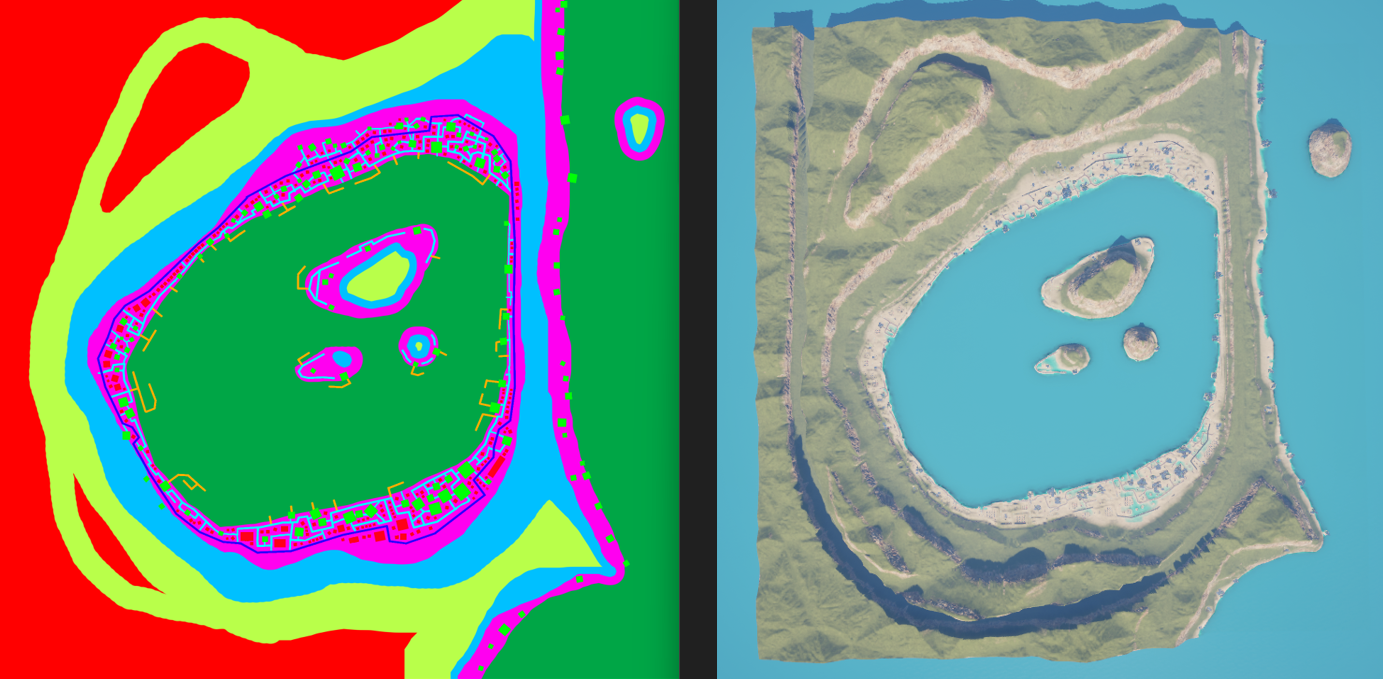
They involve creating an environment with assets instantiated in Unreal, all powered by the layers of a PSD file.
While it's true that Adolfo and the rest of the teachers have been making us bleed from day one of the course, by the time this installment comes around, approximately three months after the start, I can say that things are starting to work.
With a lot of trial and error (more error than trial), I can see the potential of my project, knowing that when someone modifies the .psd, that landscape will radically change, producing a new result adaptable to the needs of the art, layout, or level design department.
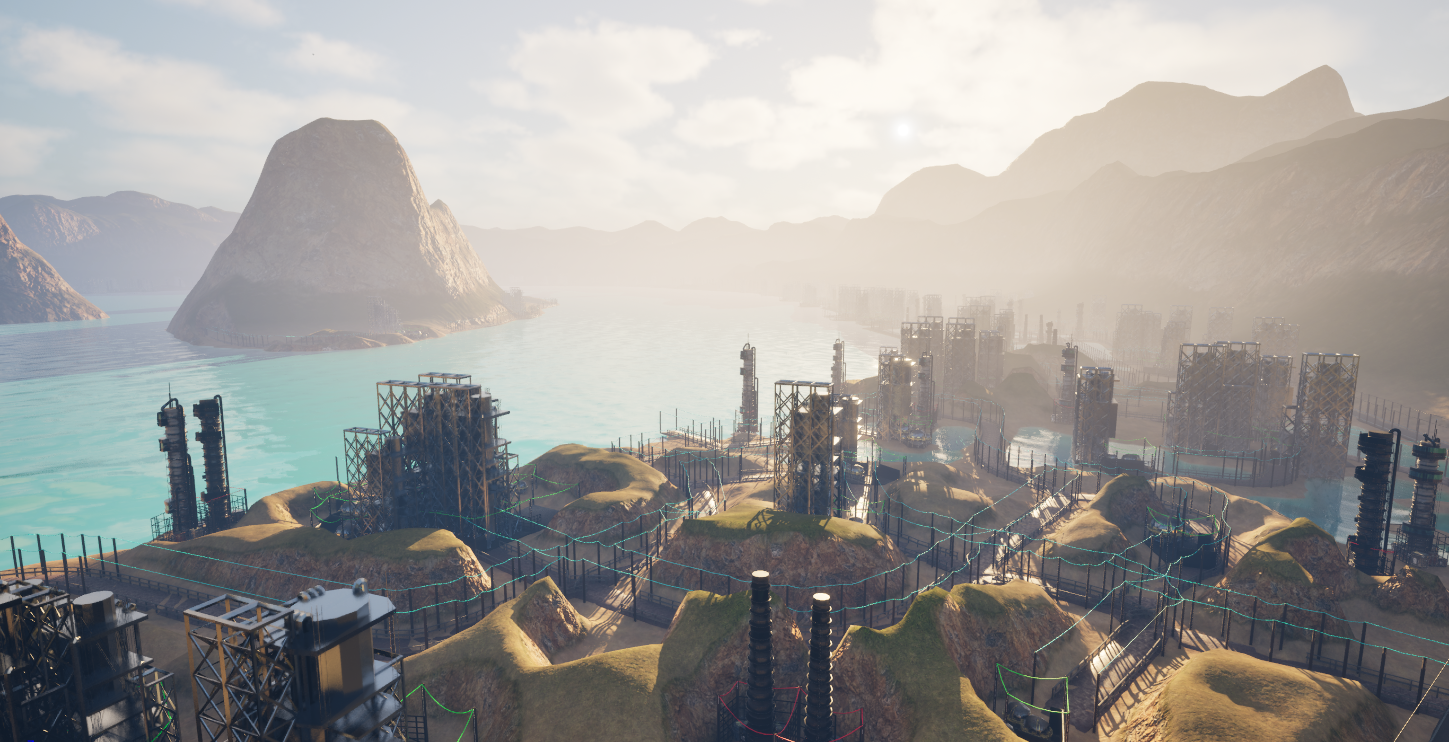
I divided the .psd layers into two types, based on their use. One layer group will give us the volumes we want our landscape to have, and another group will give us the elements like roads, paths, and surfaces where we can instantiate assets in Unreal Engine.
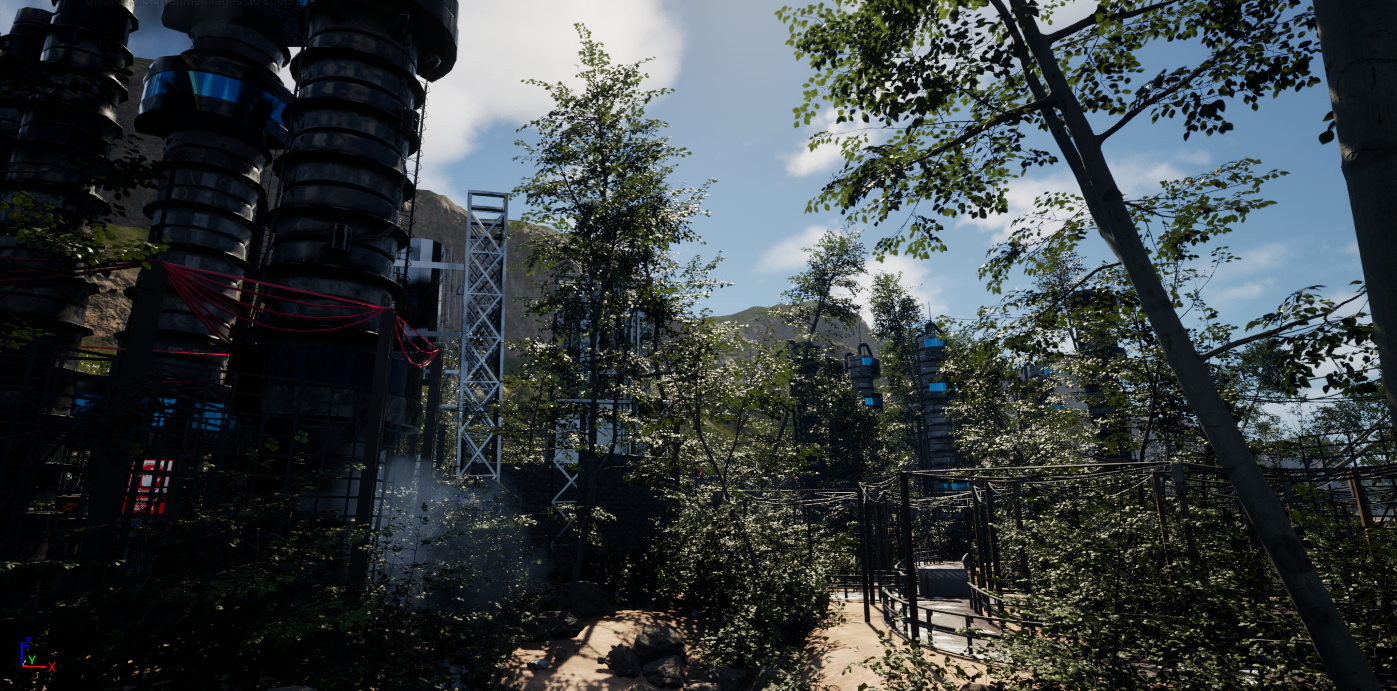
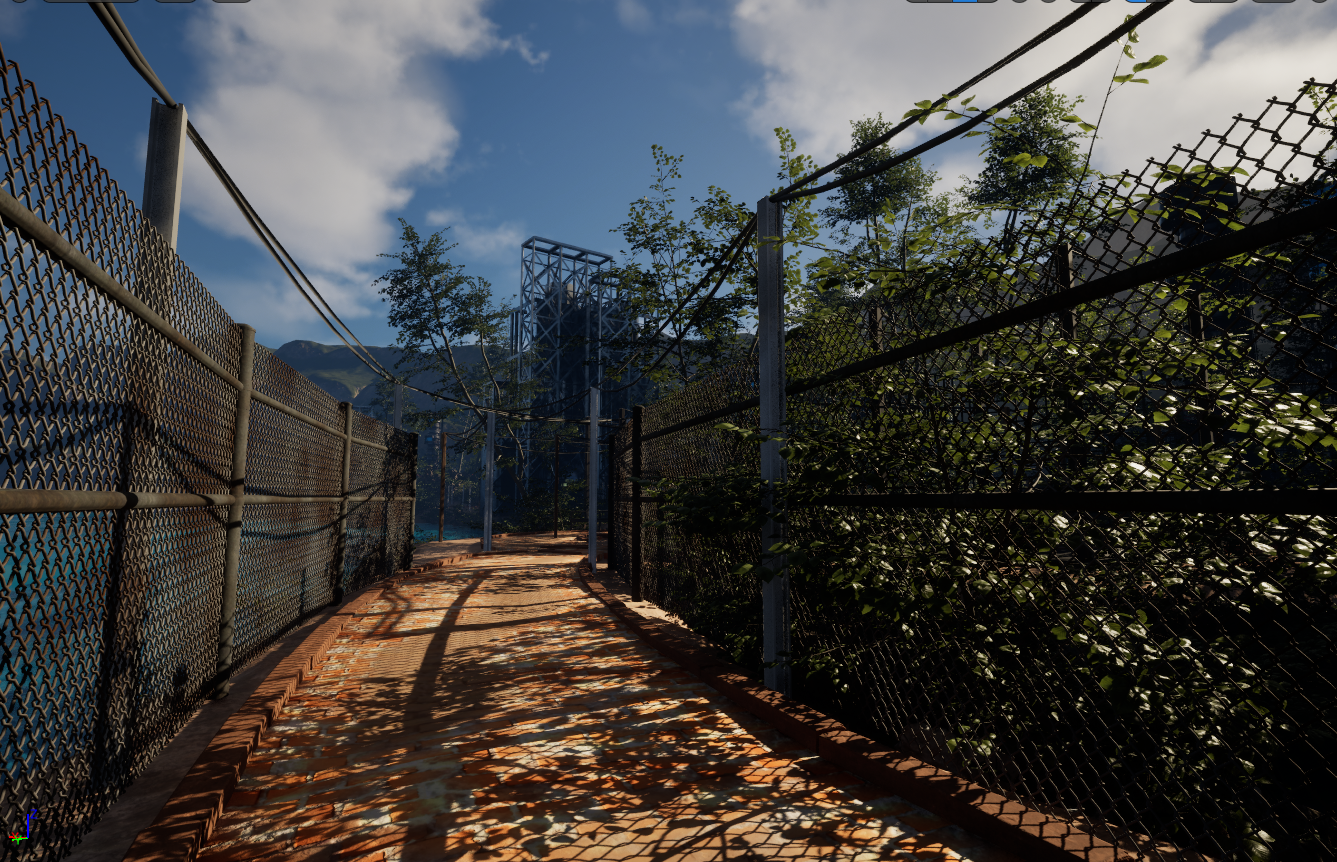
In some cases, I translate Photoshop's color layers into 3D curves, and other times, I use the .psd layer to generate or instantiate geometries of varying complexity: models like modular railings and fences, or industrial elements.
This is what the node tree of the process required to do all this looks like. Each node is an operation, which follows another and then another...
Then it becomes independent tools that look at the .psd file and can be run together or separately, inside and outside of Unreal Engine.
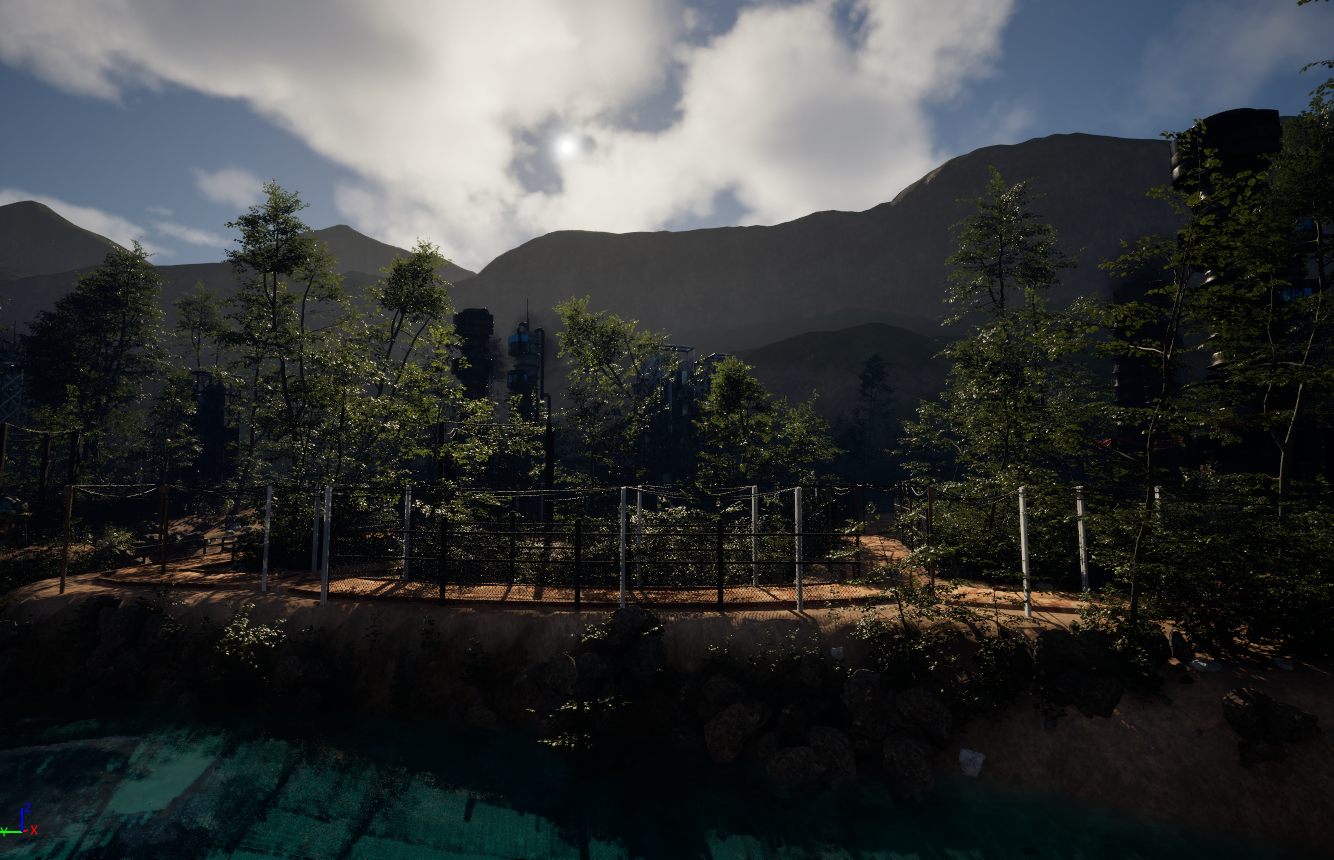
Despite having a more or less solid foundation as a traditional 3D artist (high poly, low poly, UVs, texturing), participating in some projects, it's almost poetic to look back and instantiate assets I worked on in a previous life as proxies.
Being able to use assets made 'as usual' by me or other artists or generate them entirely from scratch using procedural modeling, given what I know now.
And as I transitioned into the procedural field, I realized I only knew the tip of the iceberg and that I came from being a basic 3D artist, someone who uses devices like a simple user (no disrespect).
Now I've moved on to something deeper. Now I understand.
I'm capable of creating it myself, removing and adding layers of design and depth, tinkering with its intricacies.
I hope you found it interesting and that you'll follow me on social media to see my progress.
I also want to thank both the teachers and fellow travelers for creating this learning environment and this tribe.
Here you can check their website if you are interested in too:
https://techartworlds.com/course/master-techart-houdini-generacion-procedural-videojuegos